

The Masrur Rock Cut Temples are a complex of monolithic Hindu temples in Masrur, Kangra district, Himachal Pradesh. Their Nagara-style design, carved stonework and setting toward the Dhauladhar range make them a distinctive stop for anyone exploring the Kangra Valley.
- Location: Masrur, Kangra district, Himachal Pradesh
- From Dharamshala: 41.3–42 km by road
- Visiting hours: Open daily
- Entry: Ticketed, with digital ticketing
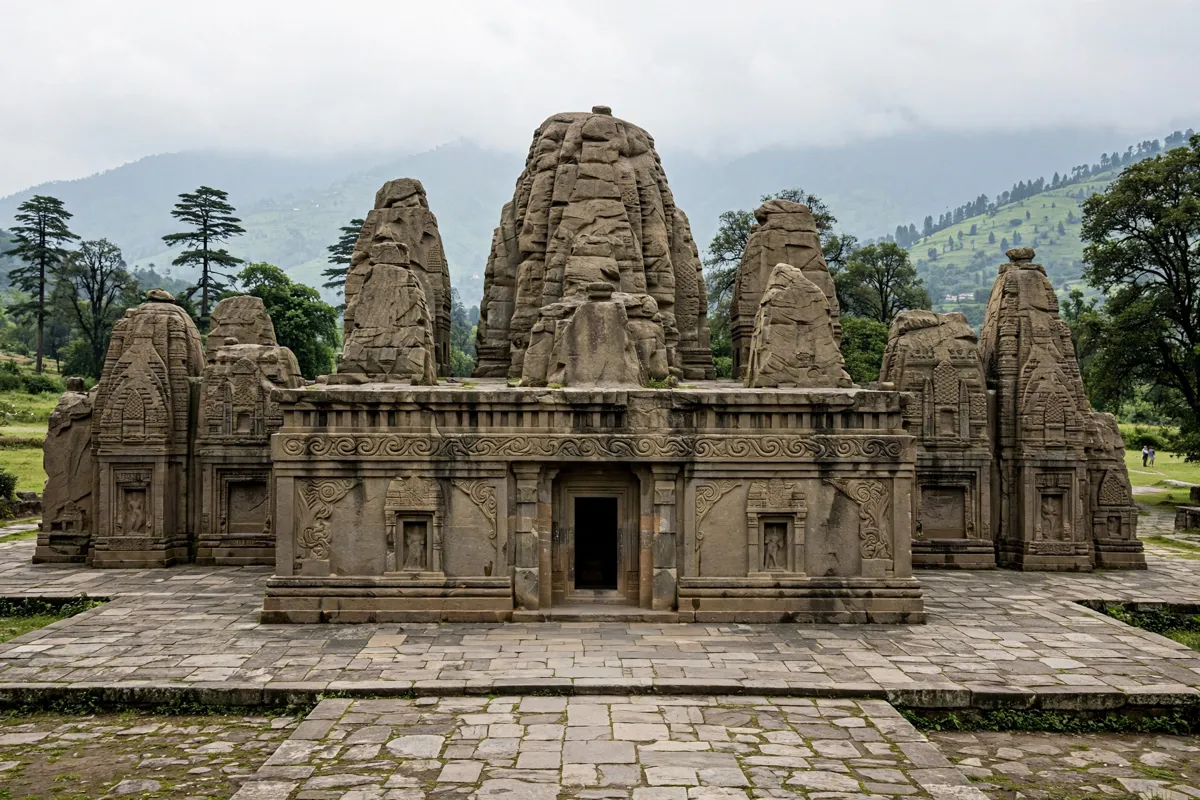
What makes the Masrur temples distinctive
The Masrur temples stand out for their monolithic construction, symmetrical plan and North Indian Nagara style. They date to the 8th century, with the Kangra district tourism page specifying the early 8th century.
A main temple sits among smaller shrines in a square-grid arrangement. The temples face northeast toward the Dhauladhar range, and a sacred pool is part of the complex. Look across the ensemble to take in how the shrines relate to one another, then turn your attention to the stone reliefs.
The carvings include Hindu deities and friezes depicting stories from Hindu texts. The complex has also suffered damage, most likely from earthquakes, and much of its sculpture and relief work has been lost. That history is part of what you see in the surviving stonework.
How do you get from Dharamshala to Masrur?
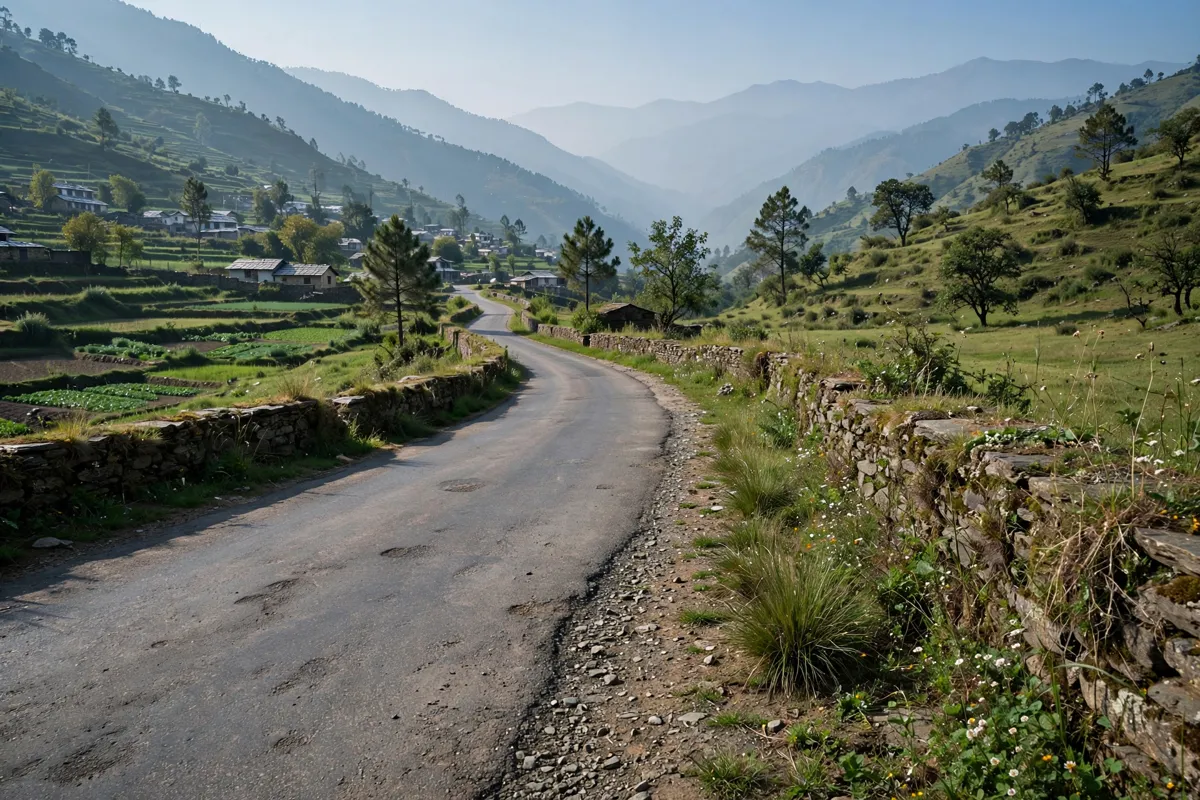
Masrur is 41.3–42 km by road from Dharamshala, and government HRTC buses and private services connect the area. The site is also connected by an access road to State Highway 22.
For a road trip, plan your transport around the visit rather than assuming a particular journey time: the road distance is known, but not a travel duration. If you are travelling by bus, check the service and return options before setting out.
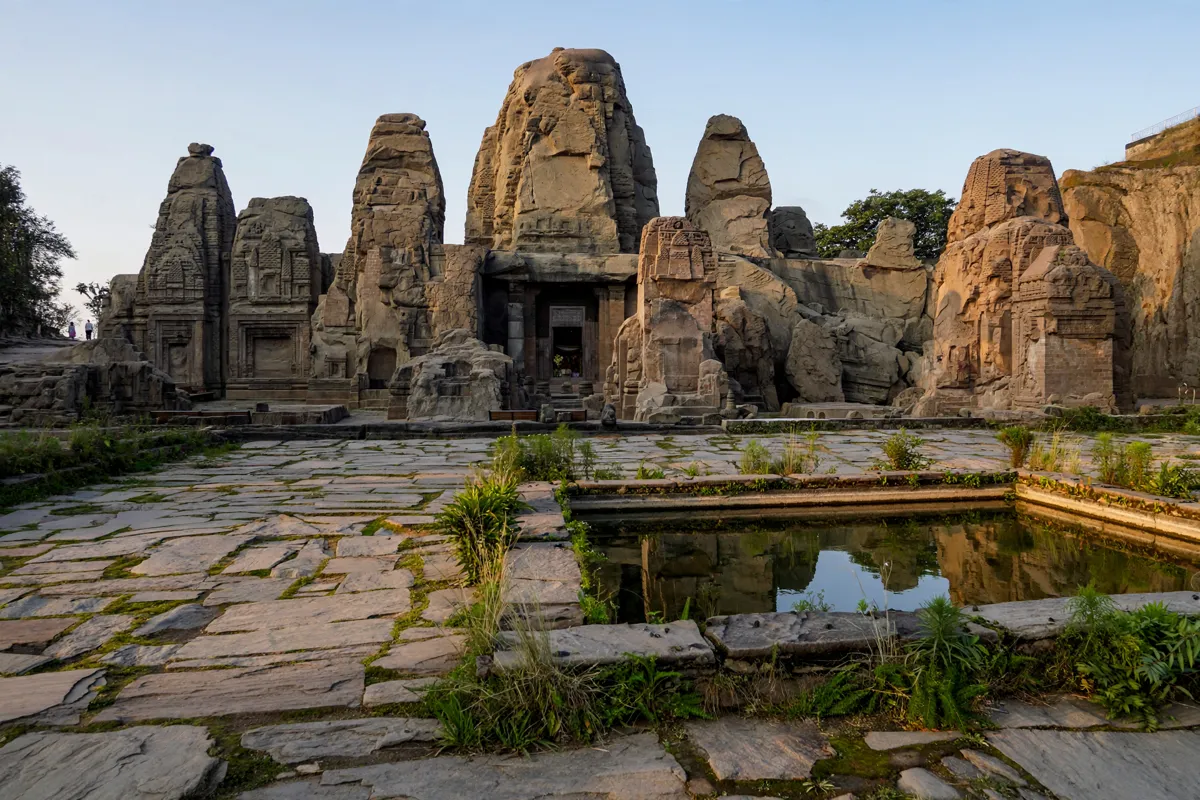
What to look for at the complex
Start by taking in the layout: the main temple and surrounding shrines form a balanced arrangement, while the sacred pool provides another point of reference within the complex. The reliefs and friezes reward a closer look at the temple surfaces.
The complex has entrances on the northeast, southeast and northwest sides. Two are incomplete, and a fourth appears to have been started but left mostly unfinished. These features, alongside the damage and lost sculpture, show that the complex is not preserved in its original complete form.
The monument is government-owned and administered by the Archaeological Survey of India’s Chandigarh Circle. It was notified on 12 February 1914.
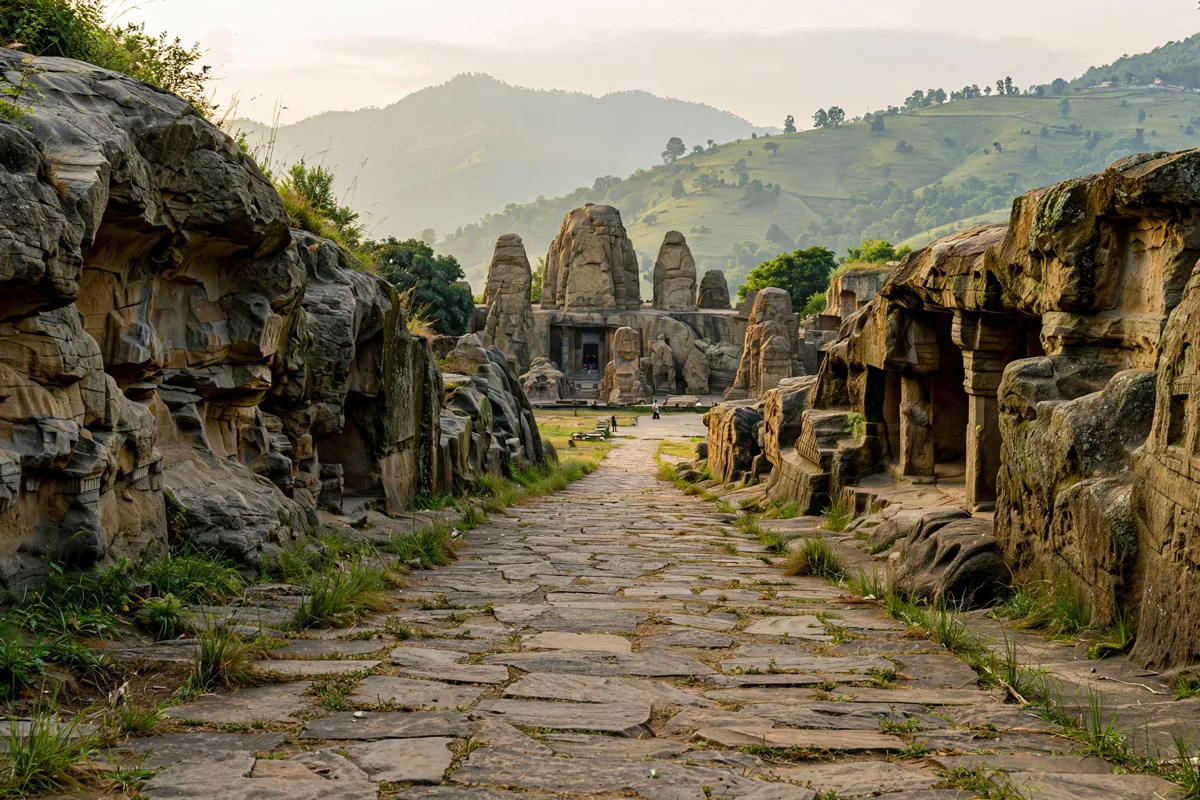
Opening hours and conservation access
Incredible India gives visiting hours as 7:00 a.m. to 7:00 p.m. The site is ticketed, with digital ticketing. Before you go: check the official site before you go for current hours, access and ticket details.
Opening hours
- Monday to Sunday: 6:00–18:00
Last checked November 2026. Hours can change on holidays and for special events.
Facilities at the entrance include a toilet, ticket counter, water dispenser and ramp. Parking is limited, with space for 5–6 vehicles on the street. The site has mobile-network availability but no Wi-Fi, and tour guides are not available there, so you may want to arrange any guiding separately.
Making a day of the visit
Allow time to take in both the temple group and its Kangra Valley setting. You can first view the complex as a whole, then look over the reliefs, the entrances and the sacred pool. The road distance makes Masrur a possible day trip, though transport details and hours are worth checking before you plan the return.
If you are building a wider Kangra itinerary, you could pair the temples with travel between Dharamshala and Kangra.
Kangra Fort offers another historic site in the district and a separate day-trip option from Dharamshala.
Masrur is 41.3–42 km by road from Dharamshala, home to Turkish Cottage.
FAQs
Where are the Masrur Rock Cut Temples?
They are in Masrur, Kangra district, Himachal Pradesh.
How old are the Masrur temples?
The complex dates to the 8th century; the Kangra district tourism page places it in the early 8th century.
Are the Masrur temples ticketed?
Yes. The site uses digital ticketing; check the official site before you go for current ticket details.
Can you find a guide at the site?
Tour guides are not available at the site, so arrange any guiding separately if you need it.